
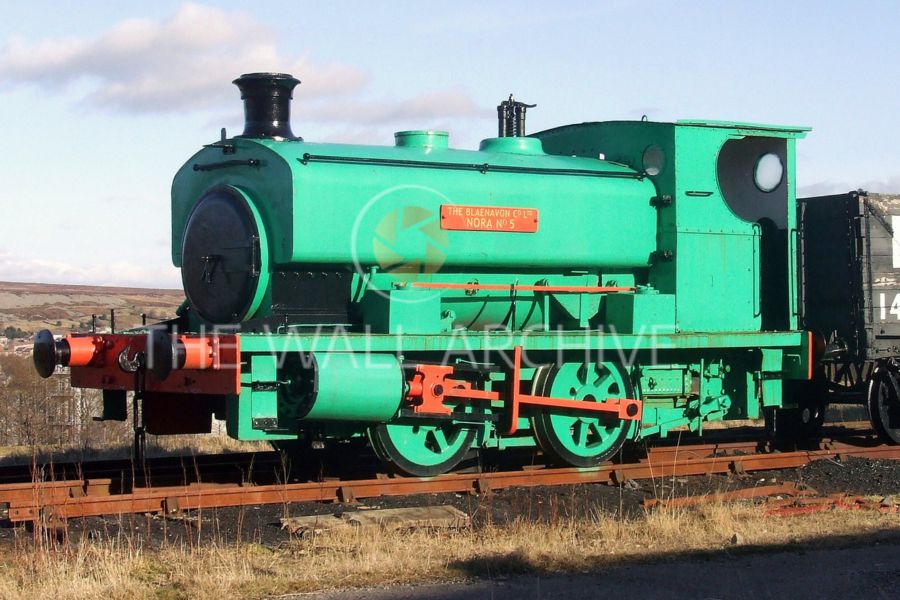
Big Pit Mining Museum in Blaenavon – Pug Steam Locomotive The Blaenavon Co Ltd Nora No 5 – 8″ x 6″ Mount – featuring a 6″ x 4″ Photo Ready for Framing Free Post In the UK
£10.00
Description
This photograph captures “The Blaenavon Co Ltd Nora No. 5”, a Pug steam locomotive displayed at the Big Pit Mining Museum in Blaenavon, South Wales. This small industrial locomotive is part of the region’s rich coal mining and railway heritage, preserved within the Blaenavon UNESCO World Heritage Site.
Key Features in the Image:
- “Nora No. 5” Pug Steam Locomotive – A small tank engine once used for coal mining and industrial shunting duties.
- Bright Green Livery – The locomotive has been restored in a distinctive green with red buffer beams, standing out against the industrial landscape.
- Heritage Plaque – The side plate reads: “The Blaenavon Co Ltd – Nora No. 5”, linking it to Blaenavon’s coal mining operations.
- Industrial Display at Big Pit – The locomotive is part of a static railway exhibit, showcasing South Wales’ industrial railway history.
- Coal Wagon in the Background – Marked Blaenavon 1472, emphasizing its role in the coal transport network.
About “Nora No. 5” & Pug Steam Locomotives:
- “Pug” locomotives were compact, short-wheelbase steam engines, ideal for navigating tight colliery and industrial railway lines.
- Built by various manufacturers, these small tank engines were mainly used for shunting coal wagons and light freight duties.
- “Nora No. 5” would have worked in Blaenavon’s coal mines, moving wagons of extracted coal between the pits and railway sidings.
About Big Pit National Coal Museum, Blaenavon:
- A former coal mine turned into a museum, preserving South Wales’ mining heritage.
- Features underground tours, where visitors can experience the life of a coal miner firsthand.
- Includes above-ground exhibits, showcasing industrial locomotives, wagons, and mining equipment.
- Part of the Blaenavon Industrial Landscape, designated a UNESCO World Heritage Site for its historical importance in the Industrial Revolution.
Related products
-
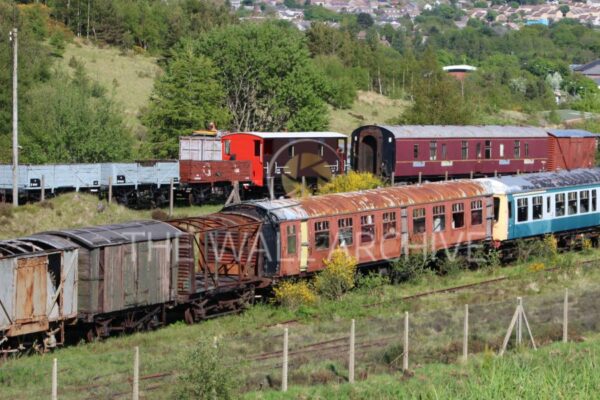
General View of Furnace Sidings – Pontypool and Blaenavon Heritage Railway — 8″ x 6″ Mount – featuring a 6″ x 4″ Photo Ready for Framing – Free Post In The UK
£10.00 Add to basket -
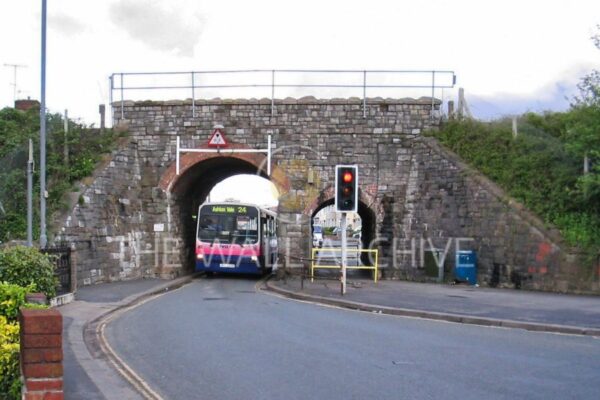
Ashton Vale Railway Bridge – First Bus Service 24 (Bristol, 2005) — 8″ x 6″ Mount – featuring a 6″ x 4″ Photo Ready for Framing – Free Post In The UK
£10.00 Add to basket -
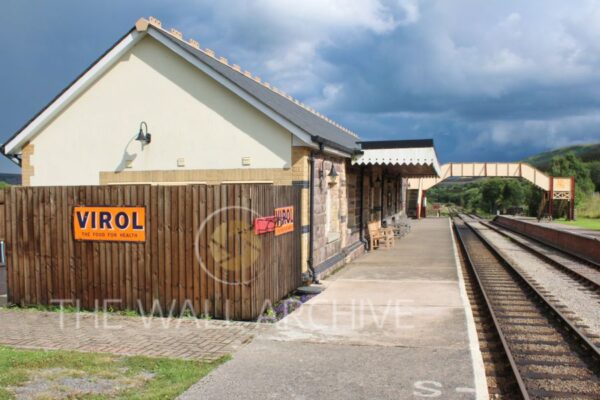
Furnace Sidings Railway Station Looking Towards Pontypool – Featuring Vintage Virol Sign — 8″ x 6″ Mount – featuring a 6″ x 4″ Photo Ready for Framing – Free Post In The UK
£10.00 Add to basket -
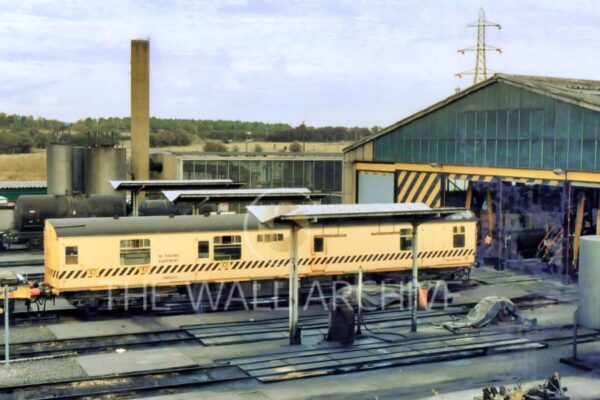
Vintage British Rail Re-Railing Equipment at Tinsley – Depot 8″ x 6″ print (featuring a 6″ x 4″ photo)
£10.00 Add to basket